Six films that follow the animals and plants in six London habitats as they change with the seasons.
CAMDEN. TOWN SQUARE
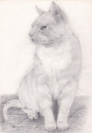
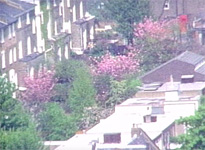
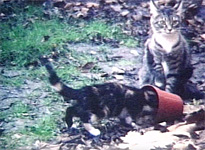
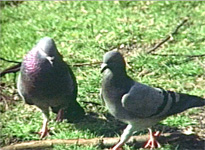
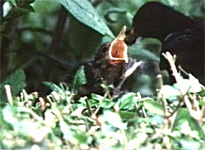
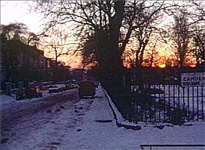
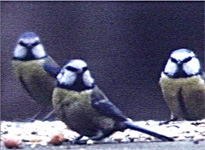
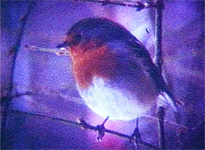
A residential square in north London, home to domestic cats, pigeons, crows and robins. London planes, ash and sycamore line the street while more sensitve trees, oaks and horse chestnuts, grow in the park. Sparrows and starlings nest under the eaves of the houses in spring, while, in winter, the extra warmth of the city, bring more exotic birds, dunnocks and chaffinches, to feed from seeds left out by people still engaged in the natural processes despite the rush and indifference of the city.
 Play Video
KINGS CROSS. CANAL
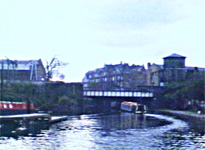
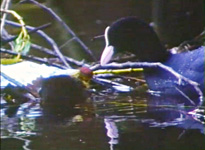
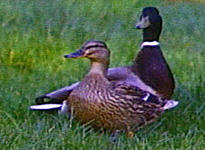
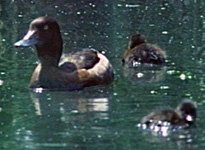
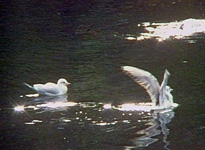
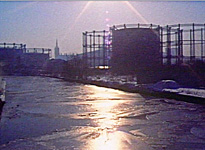
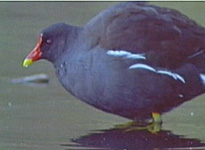
The Victorians built 3000 miles of canals for barges to transport goods around the country. The Regents canal was used to bring coal barges from the northern mines to London, to heat city homes. The canals now are a 3000 mile long wildlife sanctuary.. An abundace of wildlife, zooplankton to large insects, fishes, tench, bream,carp and roach, a variety of wildflowers, pollinated by dragonflies and butterflies, waterbirds migrating along the canals into the city, to settle and breed, gulls, moorhens, cootes, tufted duck and mallards. This is also the story of Camley Sreet wildlife park, from a wildspace on the canal banks, through a period as a waste site for illegal dumping to the natural park it is today.
Play Video
HIGHGATE.WOODS
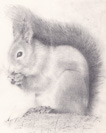
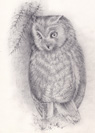
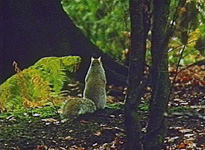
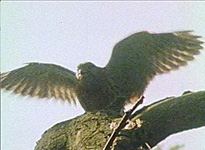
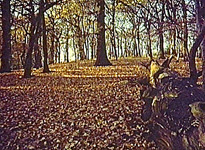
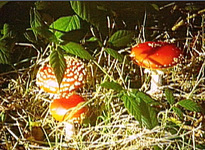
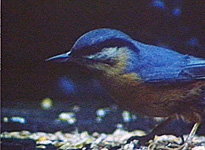
Highgate woods looks out over the city from the hills of north London. It is an ancient woodland that has remained unchanged as the city grew around it, home to aged trees. Fungi and mosses grow that would be difficultt find in a country wood, impoverished by the demands of intensive agriculture. There are sufficient resources for long foodchains to develop where kestrel, sparrowhawk and tawny owl raise their chicks, tits, robins, nuthatches and treecreepers feed from the insects and autumn fruits. The grey squirrel is the most abundant mammal, building its drey in the tree branches.
Play Video
WALTHAMSTOW. RESERVOIRS AND MARSHES
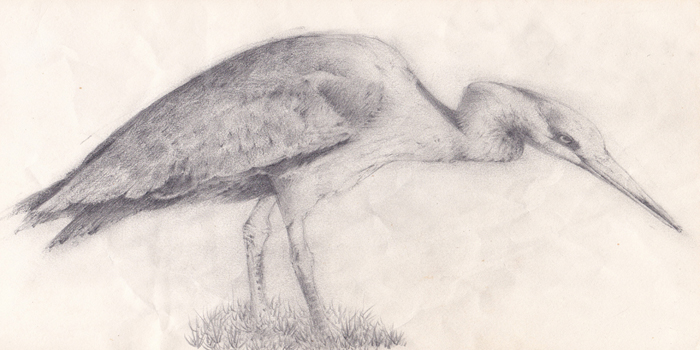
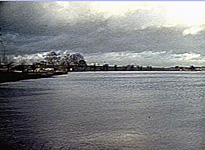
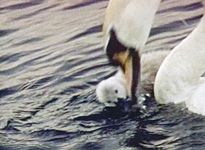
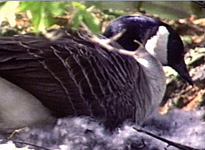
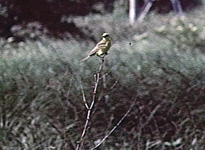
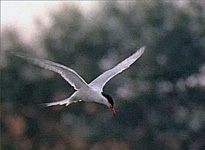
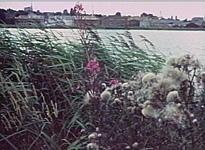
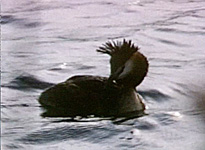
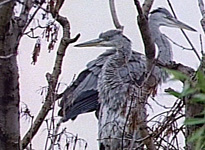
Walthanstow reservoirs were built by the Victorians to provide London with its drinking water. Fed by the River Lea, they sit next to the natural wetland and water meadows of the Walthamstow marshes, where the abundance of insects attract spring migrants to nest, warblers and wagtails.The wide expanse of water and safe islands provide nesting homes for herons, canada geese, mute swans, cootes and moorhens. Migrants overwinter, pochard, tufted duck and cormorants.
Play Video
CROUCHEND.ABANDONED TENNIS COURTS
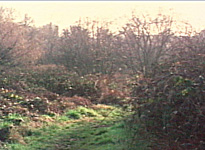
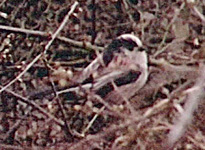
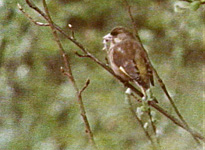
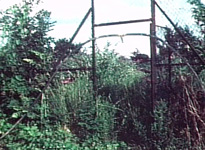
Open spaces in the city were created by the Victorians for sports and recreation. Today some of that space has been reclaimed by nature, creeping plants spreading over the clay surface of the tennis courts, pollinated by insects, spreading still further, decaying into soil for bushes to grow, giving way to trees, forming patches of woodland. This is the story of sucession as barren open space slowly turns into living woodland and the birds and animals that benefit.
Play Video
TOTTENHAM. CEMETRY
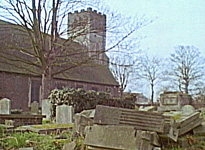
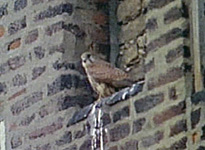
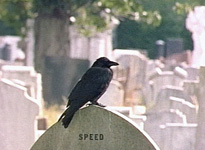
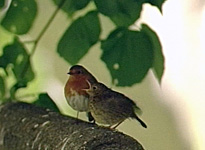
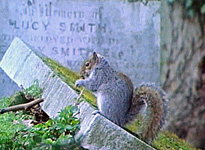
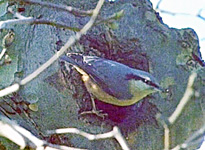
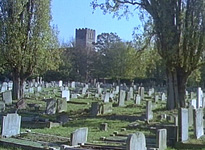
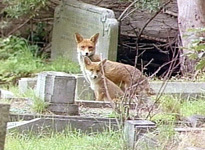
The churchyard is the space for Tottenham residents to quietly remember their families. It is a space of open grassland and trees where birds and animals can live and breed undisturbed. Woodpeckers, nuthatches, blue tits and robins, squirrels and foxes raise their familes here.
Play Video